Crispy Chickpea Sheet-Pan Dinner for Two
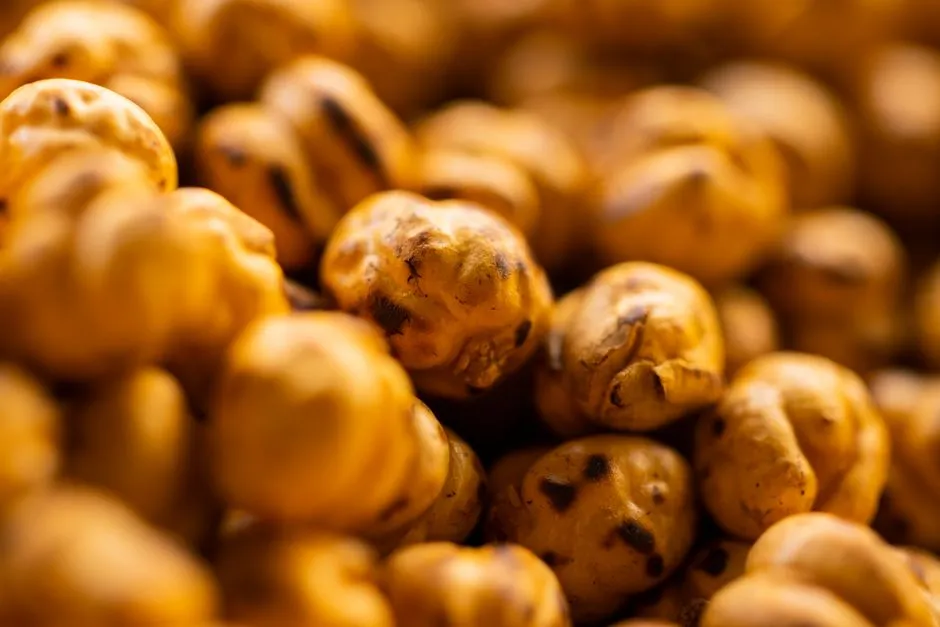
A dinner designed for one pan and two plates
This crispy chickpea sheet-pan dinner pairs one can of chickpeas with cauliflower, bell pepper, red onion, warm spices, and a quick lemon-tahini sauce. It makes two main-dish servings in about 45 minutes, counting the oven preheat and the chopping. The trick is not a secret ingredient. It is drying the chickpeas and giving everything enough room to roast instead of holding a crowded vegetable conference.
Find more measured meals in weeknight cooking.
Ingredients
For the pan:
- 1 can chickpeas, 15 ounces (425 g), drained and rinsed to yield about 1 1/2 cups
- 10 ounces (285 g) cauliflower florets, cut into 1-inch pieces
- 1 medium red bell pepper, about 5 ounces (140 g) after trimming, cut into 1-inch pieces
- 1/2 small red onion, about 3 ounces (85 g), cut into 1-inch wedges
- 2 tablespoons (30 ml) olive oil, or up to 3 tablespoons (45 ml) for fuller coverage
- 1 teaspoon ground cumin
- 1/2 teaspoon smoked paprika
- 1/2 teaspoon fine salt
- 1/4 teaspoon black pepper
For the sauce:
- 2 tablespoons (30 g) tahini
- 1 tablespoon (15 ml) lemon juice
- 1 tablespoon (15 ml) water, plus more if needed
- 1/8 teaspoon fine salt
You will need a large rimmed sheet pan, ideally about 13 by 18 inches.
Heat the oven and dry the chickpeas
Place a rack in the center and heat the oven to 425°F (220°C). Drain and rinse the chickpeas, then spread them on a clean towel and pat them thoroughly dry. Loose skins may come away; discard those, but there is no need to peel every chickpea unless that is how you planned to spend the afternoon.
Dry surfaces brown more readily. Wet chickpeas first spend oven time shedding water, which works against crisp edges.
Season everything evenly
Put the chickpeas, cauliflower, bell pepper, and onion on the unlined pan. Add the olive oil, cumin, paprika, salt, and pepper. Toss until the oil and spices coat the ingredients, then spread them into one layer. Turn broad cauliflower cut sides against the metal where practical.
Two tablespoons is a deliberately lean coating: enough to carry the spices and brown the edges without leaving a slick pan. If pieces still look dusty rather than lightly glossy after tossing, add the third tablespoon.
If the pieces overlap heavily, divide them between two pans. Crowding traps steam and produces tender vegetables rather than the roasted edges promised in the title.
Roast and check the cues
Roast for 15 minutes. Remove the pan carefully, stir and turn the vegetables, then spread them out again. Roast for another 10 to 15 minutes.
At 25 minutes total, check for browned cauliflower edges, tender pepper and onion, and chickpeas that are dry and lightly crisp outside. Large cauliflower pieces may need the full 30 minutes. Do not chase extreme crunch — the vegetables will burn first. Canned chickpeas become crispest at the surface and can firm slightly as they cool.
Whisk the lemon-tahini sauce
While the pan finishes, whisk the tahini, lemon juice, water, and salt in a small bowl. The mixture may tighten at first. Keep whisking, then add extra water 1 teaspoon at a time until it falls from a spoon in a thick ribbon. Taste and adjust lemon or salt only after it is smooth.
Divide the hot vegetables and chickpeas between two plates. Drizzle with the sauce or serve it alongside so every bite can negotiate its own tahini coverage.
Store leftovers promptly
Cool leftovers only long enough to stop heavy steaming, then transfer them to a shallow covered container and refrigerate within two hours. Keep the refrigerator at 40°F (4°C) or below; the three-to-four-day window USDA gives for refrigerated leftovers assumes that temperature. See its current leftover storage answer. Follow stricter local or individual guidance when it applies.
Reheat leftovers to an internal temperature of 165°F (74°C), measured with a food thermometer in the thickest piece rather than judged by steam or by how hot the plate feels. A skillet, air fryer, or oven restores the edges better than a microwave, although the microwave wins the important "food is ready now" category; whichever you use, reheat to that same 165°F (74°C). Store the sauce separately and check its ingredient labels for sesame and other allergens.
For a compact dessert that uses the same two-person logic, make the small-batch apple crumble; the small-batch baking section explains why the baking vessel — its depth and surface area — is chosen before the ratios are scaled down.